
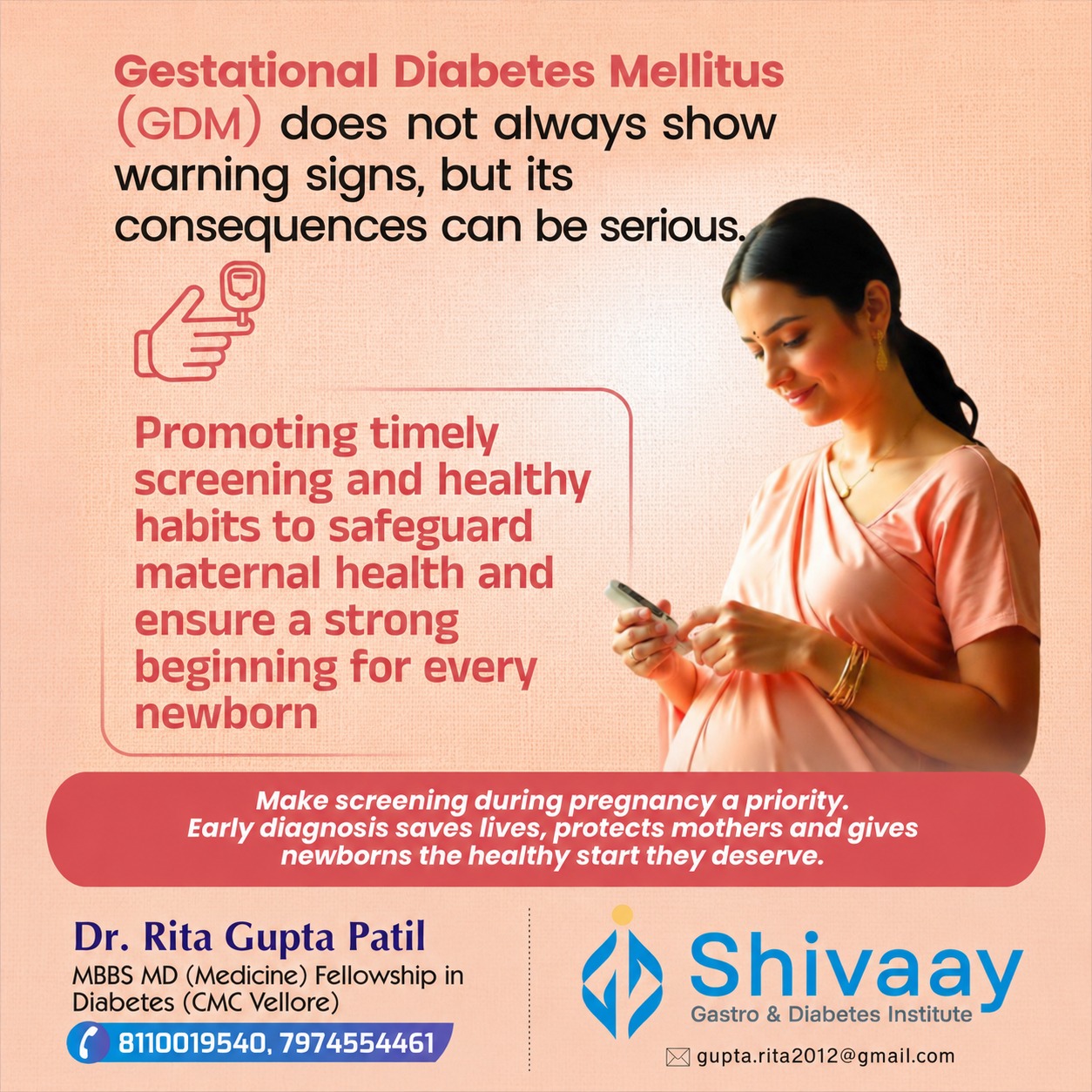
Gestational Diabetes Mellitus Treatment in Indore: Why Timely Screening Matters
Pregnancy brings many physical and hormonal changes. While most of these changes are expected, some can affect the way the body processes glucose. This may result in Gestational Diabetes Mellitus, commonly known as GDM.
Gestational diabetes often develops without noticeable symptoms. A pregnant woman may feel completely well while her blood glucose level is higher than recommended. For this reason, routine screening and regular antenatal consultations are essential. Testing is commonly performed between the 24th and 28th weeks of pregnancy, although women with certain risk factors may be advised to undergo evaluation earlier.
Access to appropriate Gestational Diabetes Mellitus Treatment in Indore can help expecting mothers understand their glucose levels, make suitable lifestyle changes and receive medical support when required. Early diagnosis allows the healthcare team to plan ongoing monitoring for both the mother and the developing baby.
What Is Gestational Diabetes Mellitus?
Gestational Diabetes Mellitus (GDM) is a condition in which blood glucose levels become elevated during pregnancy. Hormonal changes can make it harder for insulin to work effectively. When the body cannot produce enough additional insulin to meet this increased requirement, glucose begins to accumulate in the blood.
GDM is usually identified during pregnancy through blood glucose testing rather than through symptoms reported by the patient.
Gestational diabetes is different from having type 1 or type 2 diabetes before pregnancy. However, high glucose detected very early in pregnancy may sometimes indicate previously unrecognised diabetes rather than GDM, which is why proper medical assessment is important.
The purpose of Gestational Diabetes Mellitus Treatment in Indore is not simply to lower a single glucose reading. Management generally focuses on keeping blood sugar within the target range, supporting appropriate nutrition, monitoring fetal growth and reducing the possibility of pregnancy-related complications.
The treatment plan is personalised according to:
Some women can manage GDM through meal planning, suitable physical activity and glucose monitoring. Others may require medication or insulin under medical supervision.
Why Gestational Diabetes May Go Unnoticed
One of the most important facts about GDM is that it often causes no obvious warning signs. A woman may not experience pain, weakness or any noticeable change in her pregnancy.
Occasionally, increased thirst, frequent urination, tiredness or blurred vision may occur, but these symptoms can overlap with ordinary pregnancy-related changes. Therefore, symptoms alone cannot confirm or rule out the condition.
The absence of symptoms is why gestational diabetes screening in Indore should not be delayed simply because the pregnancy appears normal. The CDC advises screening most pregnant women between 24 and 28 weeks because GDM frequently develops without symptoms.
Who May Have a Higher Risk of Developing GDM?
Gestational diabetes can occur in any pregnancy, including in women without obvious risk factors. However, the likelihood may be greater in women who have:
Being overweight, having prediabetes or having a family history of diabetes can increase the possibility of GDM. However, risk factors do not mean that a woman will definitely develop the condition.
A consultation with a diabetes specialist for pregnancy in Indore can help determine whether earlier or additional testing is appropriate.
How Is Gestational Diabetes Diagnosed?
Diagnosis is based on blood glucose testing. Depending on the medical protocol being followed, the doctor may recommend a glucose challenge test, an oral glucose tolerance test or another suitable investigation.
The testing process may involve:
Patients should follow the laboratory and doctor’s instructions carefully because fasting requirements and timing may vary according to the test being performed.
A home glucometer is useful for ongoing monitoring after diagnosis, but it should not be used as a substitute for formal diagnostic testing unless specifically advised by the treating doctor.
Why Managing GDM Is Important
Untreated or inadequately controlled glucose levels can increase the possibility of complications during pregnancy and delivery. These may include excessive fetal growth, high blood pressure disorders, difficult delivery and newborn glucose-related concerns. WHO notes that diabetes during pregnancy can increase risks for both the woman and the pregnancy.
Appropriate management can help:
A diagnosis of GDM should not create panic. With timely monitoring and coordinated care, many women can have a healthy pregnancy and delivery.
Treatment and Management of Gestational Diabetes
1. Personalised Meal Planning
Nutrition is a central part of gestational diabetes management in Indore. The goal is not to avoid all carbohydrates or to follow an extreme weight-loss diet during pregnancy. Instead, meals should provide sufficient nourishment while preventing sharp rises in glucose.
A personalised meal plan may focus on:
Meal requirements differ for every woman. Diet changes during pregnancy should therefore be discussed with the treating doctor or a qualified dietitian.
2. Safe Physical Activity
When approved by the obstetrician, regular moderate activity may help the body use insulin more effectively. Walking after meals is often practical, but the type and duration of exercise must be adjusted according to pregnancy health, trimester and medical advice.
Women with bleeding, contractions, placenta-related concerns, severe anaemia or other pregnancy complications may need activity restrictions. Exercise should never be started solely from online advice.
3. Blood Glucose Monitoring
The healthcare team may ask the patient to check glucose at home using a glucometer. Readings may be taken while fasting and after meals, depending on the individual treatment plan.
Maintaining a written or digital record of glucose readings helps the doctor understand:
The patient should use the targets provided by her own doctor rather than comparing readings with another pregnant woman.
4. Medication or Insulin When Required
Lifestyle measures may not be sufficient for every patient. If glucose remains above the advised range, medication may be recommended. Insulin is commonly used when medical treatment is needed during pregnancy, and the choice of therapy depends on individual circumstances.
Needing insulin does not mean that the patient has failed. Placental hormones become stronger as pregnancy advances, and glucose levels may increase despite careful eating and activity.
Medication must be taken only under medical supervision. Doses should never be changed independently.
5. Coordinated Pregnancy Monitoring
Management may involve collaboration between a diabetologist, obstetrician, dietitian and other healthcare professionals. Monitoring can include maternal glucose records, blood pressure, fetal growth and general pregnancy progress.
For personalised diabetes care during pregnancy, Dr. Rita Gupta Patil supports expecting mothers with structured evaluation, glucose monitoring guidance and an individualised management approach.
Practical Daily Habits for Expecting Mothers
Women diagnosed with GDM may find these routines helpful:
Consistency is usually more useful than attempting sudden, extreme lifestyle changes.
What Happens After Delivery?
For many women, glucose levels improve after childbirth because the pregnancy-related hormonal influence decreases. However, follow-up testing remains important.
Women who have had GDM have a greater chance of developing type 2 diabetes later in life. Postpartum glucose testing is therefore generally advised within the first few months after delivery, followed by periodic future screening according to medical guidance.
Healthy eating, suitable physical activity and maintaining an appropriate weight after pregnancy may support long-term metabolic health.
When Should You Contact Your Doctor?
Seek medical advice when:
Urgent pregnancy symptoms should be addressed through the obstetric care team or an emergency medical facility without delay.
Frequently Asked Questions
1. Can gestational diabetes occur without symptoms?
Yes. GDM commonly causes no noticeable symptoms, which is why routine glucose screening during pregnancy is important.
2. Does having GDM mean I will need insulin?
Not necessarily. Some women manage their glucose through personalised nutrition, approved activity and regular monitoring. Medication or insulin may be advised when these measures do not maintain the required glucose range.
3. Will gestational diabetes remain after childbirth?
Glucose often returns toward normal after delivery, but postpartum testing is necessary to confirm this. Women with a history of GDM should also undergo future diabetes screening.
4. Can gestational diabetes affect the baby?
Poorly controlled glucose can increase certain pregnancy and newborn risks. Timely diagnosis, suitable treatment and close antenatal monitoring can help lower these risks.
Consult a Gestational Diabetes Specialist in Indore
Gestational diabetes may not always produce warning signs, but it should never be ignored. Screening at the recommended stage, monitoring glucose consistently and following a personalised medical plan can protect maternal health and support the baby’s development.
For professional guidance on Gestational Diabetes Mellitus Treatment in Indore, consult Dr. Rita Gupta Patil for careful evaluation and pregnancy-focused diabetes management.
Contact Us Today to Schedule Your Gestational Diabetes Consultation in Indore.
We provide our medical services to Dewas, Depalpur, Sanwer, Betma and Hatod
Best diabetes treatment in Indore| Diabetes experet in Indore| Top 5 Diabetes doctor in Indore | best diabetes doctor in indore | best endocrinologist near me in indore | diabetes specialist in indore | Best diabetologist in indore | Best diabetes Consultant in indore |Thyroid management specialist in Indore| Best Thyroid specialist in indore | Thyroid doctors near me in indore |Weight management specialist in Indore| obesity management specialist near me| weight loss clinic near me in Indore | weight loss doctors near me | Best obesity specialist near me in Indore | Top 5 doctors for obesity treatment in Indore | best obesity doctor near me |hormonal disorder management| best hormonal disorder management specialist near me| best doctor for hormone balance treatment near me in Indore | Best hormone imbalance specialist near me | best Specialist for hormonal imbalance near me In Indore |best endocrinologist in indore| Top 5 Diabetes doctor in Dewas |best daibetes treatment InDewas| best diabetes doctor in Dewas | best endocrinologist near me in Dewas | diabetes specialist in Dewas | Best diabetologist in Dewas | Best diabetes Consultant in Dewas |best thyroid management specialist in Dewas| best throid management treatment in Dewas| Best Thyroid specialist in Dewas | Thyroid doctors near me in Dewas |obesity management near me|best doctor for obesity management in Dewas| best obesity specialist near me In Dewas| weight loss clinic near me in Dewas | weight loss doctors near me | Best obesity specialist near me in Dewas | Top 5 doctors for obesity treatment in Dewas | best obesity doctor near me | best doctor for hormone balance treatment near me in Dewas | Best hormone imbalance specialist near me | best Specialist for hormonal imbalance near me In Dewas |best diabetologist in Depalpur| Best treatment of diabetes in Depalpur| Best diabetes expert in Depalpur| Best diabetes specialist in Depalpur| Best medical expert for diabetes in Depalpur| Best endocrinologist in Depalpur| Best hormone management specialist in Depalpur| Best hormone disorder specialist in Depalpur| Best endocrinologist available in Depalpur| Weigh loss managemnt in Dehpalpur| best obesity management in dehpalpur| best obesity specialist in dehpalpur| best endocrinologist in dehpalpur| best thyroid expert in dehpalpur| best thyroid management specialist in dehpalpur| best diabetologist in Sanwe| best diabetes expert in Sanwer| best daibetes doctor in Sanwer| Best treatment for diabtes in Sanwer| best weight loss management in Sanwer| best weight loss doctor in Sanwer| best treatment for obesity in Sanwer| Best medical expert for obesity in Sanwer| Best obesity management specialist available in Sanwer| Best thyroid specialist in Sanwer| best endocrinologist in sanwer| best doctor for thyroid managment in sanwer| best thyroid specialist available in sanwer| best hormone disorder management in sanwer| best Hormone care in Sanwer| best treatment for hormonal imbalance in Sanwer| Best hormone management specialist available in Sanwer| Best diabetologist in Betma| Best doctor for diabetes in Betma| Best diabetologist near me in Betma| best endocrinologist in Betma| best thyroid specialist in Betma| best thyroid management specialist in Betma| best treatment for thyroid in Betma| Best weight loss expert in Betma| Best doctor for obesity in Betma| best obesity management in Betma| best diabetologist Hatod| Best diabetic care in Hatod| best diabetes expert available in Hatod| best endocrinologist in Hatod| best hormonal imbalance experet in Hatod| Best hormone management specialist in Hatod| best weight loss management care in Hatod| best weight loss management in Hatod near me| best obesity expert near me in Hatod| best obesity management in Hatod|
| Tags: | #Gestational Diabetes Mellitus Treatment in Indore |


