
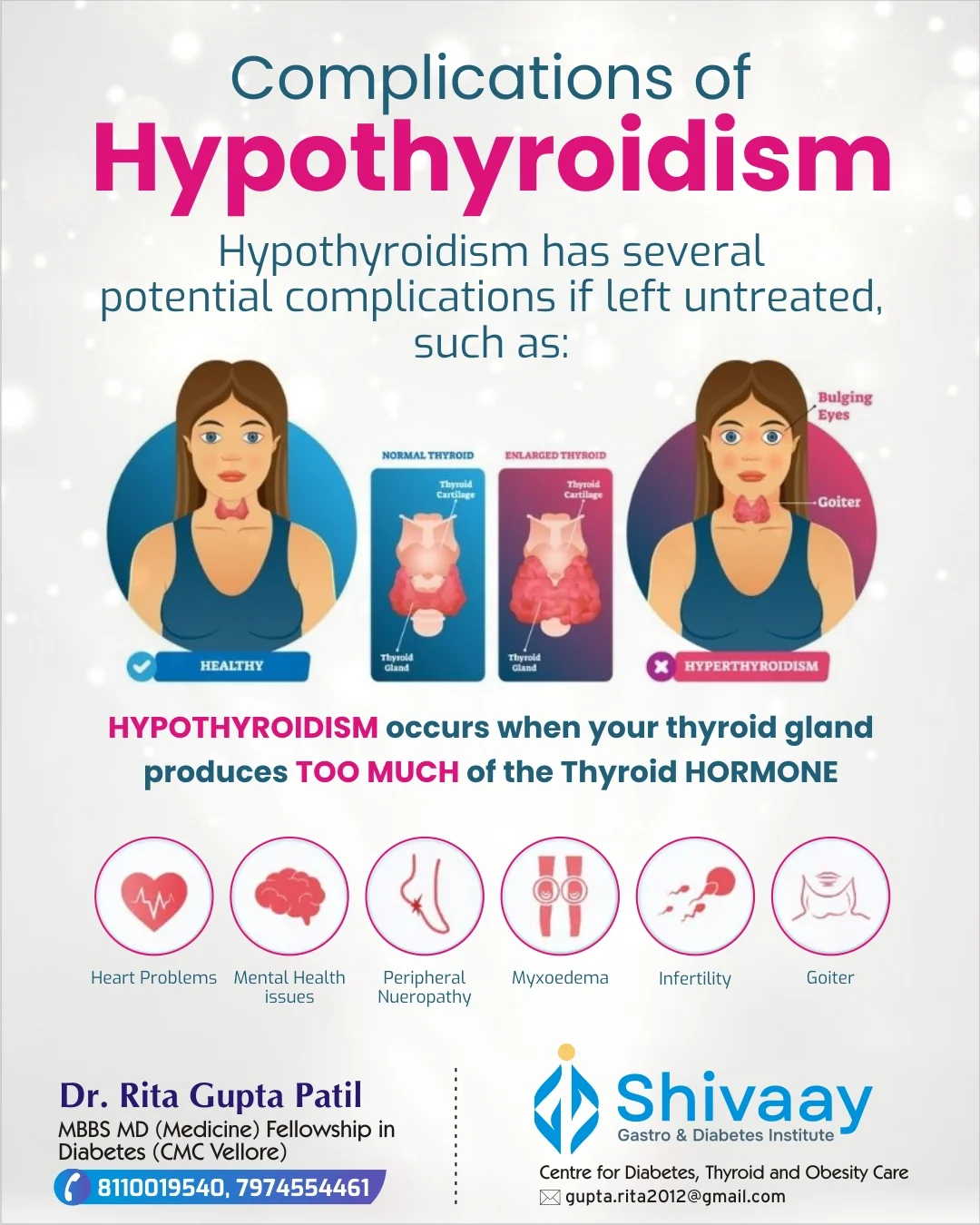
Hypothyroidism is a common thyroid disorder in which the thyroid gland does not produce enough thyroid hormones to meet the body’s needs. These hormones influence metabolism, energy levels, body temperature, heart function, digestion, mood, menstrual cycles and many other processes. When hypothyroidism remains undiagnosed or poorly controlled for a long time, it may lead to several health complications.
People searching for information about hypothyroidism treatment in Indore should understand that early diagnosis and regular medical follow-up can help prevent many avoidable problems. Symptoms may initially appear mild, but persistent fatigue, unexplained weight gain, cold intolerance, constipation, menstrual irregularities and changes in mood should not simply be ignored.
At Shivaay Gastro & Diabetes Institute, patients can seek medical evaluation for thyroid-related concerns and associated metabolic conditions.
What Is Hypothyroidism?
Hypothyroidism occurs when the thyroid gland produces too little thyroid hormone, not too much. This distinction is important because excess thyroid hormone is generally associated with hyperthyroidism.
The thyroid is a small butterfly-shaped gland situated in the neck. It mainly produces thyroid hormones known as T4 and T3, which help regulate how the body uses energy.
When thyroid hormone levels are insufficient, many body functions may slow down.
Common symptoms can include:
Anyone experiencing several of these symptoms may benefit from consultation with a thyroid specialist in Indore.
Why Should Hypothyroidism Not Be Ignored?
Mild hypothyroidism may initially cause only subtle symptoms. Because fatigue, weight gain or mood changes can also occur for many other reasons, some people continue without medical evaluation.
However, untreated or inadequately treated hypothyroidism can gradually affect multiple organs and body systems.
The risk and severity of complications depend on factors such as:
Early medical assessment can help determine whether treatment is necessary and how frequently thyroid levels should be monitored.
Major Complications of Hypothyroidism
1. Heart and Cholesterol Problems
Thyroid hormones influence cardiovascular function and cholesterol metabolism.
In some people, untreated hypothyroidism may be associated with increased LDL cholesterol and other lipid abnormalities. Over time, this may contribute to cardiovascular risk.
Possible concerns may include:
Patients with both thyroid problems and abnormal lipid levels may benefit from comprehensive assessment by a thyroid doctor in Indore.
2. Goiter or Enlarged Thyroid
When the thyroid gland is repeatedly stimulated to produce more hormones, it can sometimes enlarge.
This enlargement is called a goiter.
A large goiter may cause:
Not every goiter is caused by hypothyroidism. Thyroid nodules, autoimmune disorders and iodine-related conditions can also cause enlargement.
An examination and appropriate investigations can identify the underlying reason.
3. Mental Health and Cognitive Changes
Thyroid hormones can influence brain function, mood and concentration.
People with untreated hypothyroidism may sometimes experience:
These symptoms may overlap with stress, depression, nutritional deficiencies and other medical conditions.
Proper thyroid evaluation can help determine whether hormone imbalance may be contributing.
4. Peripheral Neuropathy
Long-standing untreated hypothyroidism can sometimes be associated with peripheral nerve problems.
Symptoms may include:
Peripheral neuropathy can have several other causes, particularly diabetes and vitamin deficiencies, so diagnosis should not be assumed based on symptoms alone.
5. Fertility and Menstrual Problems
Thyroid hormones play an important role in reproductive health.
In women, poorly controlled hypothyroidism may be associated with:
In some cases, thyroid dysfunction may contribute to fertility concerns.
Women planning pregnancy who have a known thyroid condition should discuss thyroid control with their doctor.
6. Pregnancy-Related Concerns
Pregnancy increases thyroid hormone requirements in many women.
Untreated or inadequately controlled hypothyroidism during pregnancy may increase the risk of certain maternal and fetal complications.
This is why women with known hypothyroidism may require periodic thyroid testing during pregnancy.
Anyone searching for thyroid treatment in Indore for women should consider evaluation before pregnancy or early in pregnancy if thyroid disease is suspected.
7. Myxedema
Severe, prolonged hypothyroidism can produce marked slowing of body functions and characteristic tissue changes known as myxedema.
A rare, life-threatening form called myxedema coma can occur in severe untreated disease.
Warning signs of severe deterioration may include:
This is a medical emergency and requires immediate hospital treatment.
8. Weight and Metabolic Changes
Hypothyroidism slows metabolic processes and may contribute to weight gain.
However, substantial weight gain should not automatically be attributed entirely to thyroid disease.
Body weight is influenced by:
A comprehensive assessment is often more useful than focusing on thyroid values alone.
Who Is More Likely to Develop Hypothyroidism?
Some individuals have a higher likelihood of thyroid dysfunction.
Risk factors may include:
People with these risk factors may benefit from thyroid testing when clinically appropriate.
How Is Hypothyroidism Diagnosed?
Diagnosis generally involves a combination of symptoms, medical history, physical examination and blood tests.
TSH Test
Thyroid-stimulating hormone, or TSH, is commonly used to assess thyroid function.
Free T4
Free T4 provides additional information about circulating thyroid hormone levels.
Thyroid Antibodies
In selected cases, antibody tests may help determine whether an autoimmune condition such as Hashimoto’s thyroiditis is present.
Doctors interpret these results together rather than relying on one isolated number.
Treatment of Hypothyroidism
The standard treatment for many patients with hypothyroidism is thyroid hormone replacement, commonly using levothyroxine.
The dosage should be individualised.
Factors influencing treatment may include:
Patients should not increase, reduce or stop thyroid medication without medical guidance.
Regular blood testing helps determine whether the dose is appropriate.
How Should Thyroid Medicine Be Taken?
Levothyroxine absorption can be affected by food, supplements and certain medicines.
Doctors often advise taking it consistently according to prescribed instructions.
Calcium, iron and some other products may interfere with absorption when taken too close to thyroid medicine.
Patients should discuss their medication schedule with their doctor rather than changing timing independently.
Lifestyle Support for Better Thyroid Health
Lifestyle changes cannot replace prescribed thyroid hormone treatment when medication is medically required, but healthy habits can support overall metabolic health.
Useful habits include:
Patients should be cautious about products claiming to “cure” thyroid disease without medical evidence.
Hypothyroidism Treatment in Indore
People experiencing persistent fatigue, unexplained weight changes, menstrual irregularities, cold intolerance, constipation or abnormal thyroid reports should consider medical evaluation.
A qualified thyroid specialist in Vijay Nagar Indore can assess symptoms and determine whether thyroid function testing or treatment adjustment is required.
Residents from Vijay Nagar Indore, Scheme No. 54 Indore, Palasia Indore, AB Road Indore, Bengali Square Indore and nearby areas may look for accessible thyroid care based on their location and medical needs.
When Should You Consult a Thyroid Specialist?
Consider seeking medical advice if:
A medical consultation can help separate thyroid-related symptoms from other health conditions that may produce similar complaints.
Frequently Asked Questions
Is hypothyroidism curable?
Some forms of hypothyroidism are temporary, while others require long-term thyroid hormone replacement. The underlying cause determines whether treatment is temporary or lifelong.
Does hypothyroidism cause infertility?
Poorly controlled hypothyroidism can interfere with menstrual cycles and ovulation in some women, which may affect fertility. Appropriate diagnosis and treatment may help improve thyroid-related reproductive issues.
Can hypothyroidism cause weight gain?
Yes, hypothyroidism can contribute to weight gain and fluid retention. However, body weight is influenced by many factors, so significant weight gain should be assessed comprehensively.
How often should thyroid tests be repeated?
Testing frequency depends on thyroid levels, medication changes, pregnancy, symptoms and individual medical history. A doctor can recommend the appropriate interval.
Take Thyroid Symptoms Seriously
Hypothyroidism is generally manageable, but leaving it untreated for a prolonged period can increase the likelihood of complications involving the heart, nerves, reproductive health, metabolism and emotional well-being.
If you are looking for hypothyroidism treatment in Indore, Shivaay Gastro & Diabetes Institute provides evaluation for thyroid and metabolic concerns under Dr. Rita Gupta Patil.
Contact Us Today to schedule a thyroid consultation and take the next step toward better long-term thyroid management.
| Tags: | #Complications of Hypothyroidism in Indore |


