
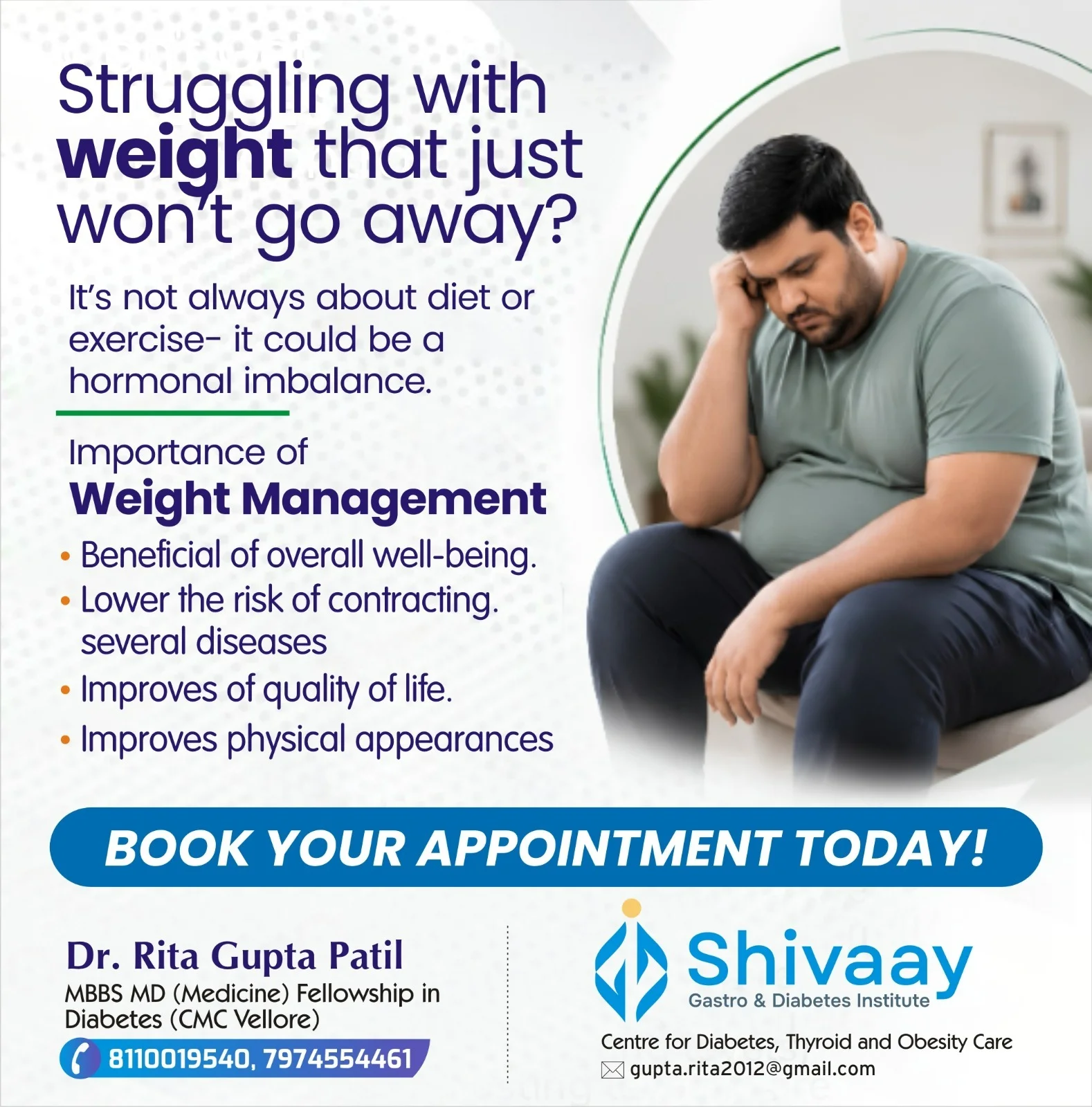
Losing excess weight can be difficult even when a person is trying to eat carefully and remain physically active. In some cases, the challenge is not simply a lack of discipline. Thyroid disorders, insulin resistance, diabetes, hormonal changes, sleep problems, stress, certain medicines, and other health conditions may influence body weight.
Professional weight management in Indore focuses on understanding these contributing factors before creating an individual plan. Instead of relying on extreme diets or temporary fitness trends, medically guided care aims to support gradual, realistic, and sustainable improvement.
At Shivaay Gastro & Diabetes Institute, Dr. Rita Gupta Patil offers evaluation and guidance for people dealing with excess weight and related metabolic concerns. Each plan may vary according to the individual’s medical history, existing conditions, daily routine, nutritional needs, and health goals.
Why Is Weight Management Important?
Healthy weight management is not limited to changing physical appearance. Excess body fat, particularly around the abdomen, may be associated with a higher risk of metabolic and lifestyle-related conditions.
Appropriate obesity management in Indore may help individuals work toward better:
The right target is not necessarily rapid or dramatic weight loss. Even a modest, sustained reduction may provide meaningful health benefits for some individuals. The safest goal should be decided after considering age, body composition, medical conditions, and clinical findings.
Why Does Weight Sometimes Refuse to Reduce?
Body weight is influenced by multiple biological, behavioural, and environmental factors. Two people following similar diets may experience very different results because their metabolism, activity level, sleep quality, hormones, medicines, and health histories are not identical.
Hormonal and Metabolic Conditions
Some medical conditions may make weight control more complicated. These can include:
A medical evaluation can help identify whether such a condition requires investigation. Hormonal imbalance should not be assumed from weight gain alone, as many other factors may also be responsible.
Inadequate or Poor-Quality Sleep
Irregular or insufficient sleep can affect hunger signals, food choices, energy levels, and the ability to exercise. People who sleep poorly may also depend more heavily on sugary drinks or high-calorie foods to manage daytime fatigue.
Stress and Emotional Eating
Long-term stress may alter eating behaviour and encourage frequent snacking, overeating, or comfort-food consumption. Emotional eating deserves compassionate attention rather than blame.
Medicines and Existing Health Conditions
Certain medicines may contribute to changes in appetite, fluid balance, or metabolism. Patients should never discontinue prescribed treatment without consulting their doctor. A physician can assess whether an alternative is appropriate.
Unbalanced Food Habits
Eating very little during the day and overeating at night, consuming large liquid calories, frequent restaurant meals, or relying heavily on ultra-processed snacks can interfere with progress—even when a person believes their overall intake is low.
Low Daily Movement
Structured exercise is helpful, but everyday movement also matters. Long periods of sitting, desk-based work, commuting, and limited walking can reduce daily energy expenditure.
When Should You Consult a Weight Management Doctor?
Professional advice may be useful when weight continues to increase, repeated diets have failed, or excess weight is affecting health and confidence. Consider consulting a weight management doctor in Indore if you experience:
Sudden weight gain accompanied by swelling, breathlessness, severe weakness, or another concerning symptom needs prompt medical assessment.
What Happens During a Medical Weight Assessment?
A comprehensive consultation usually examines more than the number shown on a weighing scale. The doctor may review:
Depending on clinical findings, blood tests or other investigations may be advised. These might assess blood sugar, thyroid function, cholesterol, liver health, or other relevant parameters. Tests should be selected for the individual rather than ordered unnecessarily.
What Does a Personalised Weight-Management Plan Include?
A responsible medical weight-loss program in Indore should be practical enough to follow in everyday life. It should also account for food preferences, work schedule, cultural eating patterns, budget, mobility, and any existing illness.
Balanced Nutrition
A sustainable eating plan usually emphasises adequate protein, vegetables, whole grains, fibre-rich foods, and suitable portions. It does not necessarily require eliminating every favourite food.
Helpful habits can include:
People with diabetes, kidney disease, digestive disorders, pregnancy, or other special conditions may require tailored dietary guidance.
Gradual Physical Activity
Exercise should match a person’s fitness level and health status. Walking, cycling, swimming, yoga, resistance training, and supervised exercises may all contribute to a balanced routine.
Someone with severe obesity, chest symptoms, joint disease, or a long period of inactivity should seek medical advice before beginning intense workouts.
Sleep and Stress Support
Consistent sleep timing, reduced late-night screen exposure, relaxation practices, and better stress-management strategies can support healthier behaviour. These areas are often ignored in quick-fix weight-loss plans.
Behavioural Changes
Sustainable progress depends on repeatable habits. Keeping a food record, planning shopping, recognising emotional triggers, eating slowly, and setting small goals can make the process more manageable.
Medical Treatment When Appropriate
Some patients may require treatment for diabetes, thyroid disease, hormonal conditions, or another underlying concern. Prescription weight-management medicines may be considered for selected individuals after clinical assessment.
Such medicines are not suitable for everyone and should never be purchased or used without medical supervision.
Why Crash Diets Usually Fail
Crash diets often promise dramatic results through severe calorie restriction, food-group elimination, meal-replacement products, or unsupervised supplements. The early reduction may partly reflect water and muscle loss rather than sustainable fat loss.
These plans can cause:
A structured healthy weight-loss plan in Indore focuses on long-term behaviour and health improvement. Progress may appear slower, but it is generally easier to sustain when the approach fits normal life.
The Relationship Between Obesity and Diabetes
Excess body fat, especially around the abdomen, may contribute to insulin resistance. This means the body does not use insulin efficiently, which can cause blood-sugar levels to rise over time.
For people with prediabetes or type 2 diabetes, medically supervised weight management may become an important part of overall care. However, dietary changes and exercise must be coordinated with diabetes medicines to reduce the risk of low or unstable blood sugar.
A diabetes and obesity specialist in Indore can assess both conditions together and recommend a coordinated plan rather than treating body weight as an isolated concern.
How to Track Progress Beyond the Weighing Scale
The scale is useful, but it does not tell the full story. Water balance, menstrual cycles, bowel movements, salt intake, and recent activity can cause short-term fluctuations.
Other meaningful signs of progress include:
Focusing on these improvements can help maintain motivation when the scale changes slowly.
Maintaining Weight After Losing It
Weight maintenance should be planned from the beginning. Returning to previous habits immediately after reaching a target increases the likelihood of regain.
Helpful maintenance strategies include:
The objective is to develop a flexible routine that works in real situations, not a temporary program that ends after a few weeks.
Frequently Asked Questions
Can hormonal imbalance cause weight gain?
Certain hormonal conditions can contribute to weight changes, but they are not responsible in every case. A doctor may recommend evaluation when symptoms or medical history suggest an underlying problem.
How quickly should I expect to lose weight?
Healthy progress varies from person to person. Starting weight, medical conditions, activity level, food habits, medicines, and consistency all influence the rate. A personalised target is more useful than comparing results with someone else.
Is exercise alone enough for weight loss?
Exercise is valuable for fitness, strength, cardiovascular health, and weight maintenance. However, many people also need improvements in food habits, sleep, stress management, and medical care to achieve sustainable results.
Do weight-loss medicines work for everyone?
No. Prescription treatments are intended for selected patients and require assessment, monitoring, and lifestyle support. Suitability depends on health history, current medicines, possible risks, and treatment goals.
Begin Your Weight-Management Journey in Indore
If repeated dieting has not worked, the next step should not be another extreme plan. A medical evaluation can help uncover possible metabolic concerns and create a strategy suited to your body, health, and routine.
Consult Dr. Rita Gupta Patil at Shivaay Gastro & Diabetes Institute for professional weight management in Indore, including support for obesity, diabetes, thyroid-related concerns, and sustainable lifestyle improvement. Book your appointment today and begin working toward a healthier future.
| Tags: | #Weight Management in Indore |


