
Pregnancy brings changes to your body, routine and nutritional needs. When a blood test shows higher-than-expected glucose levels, it is natural to have questions about your meals, your baby’s health and the treatment you may need.
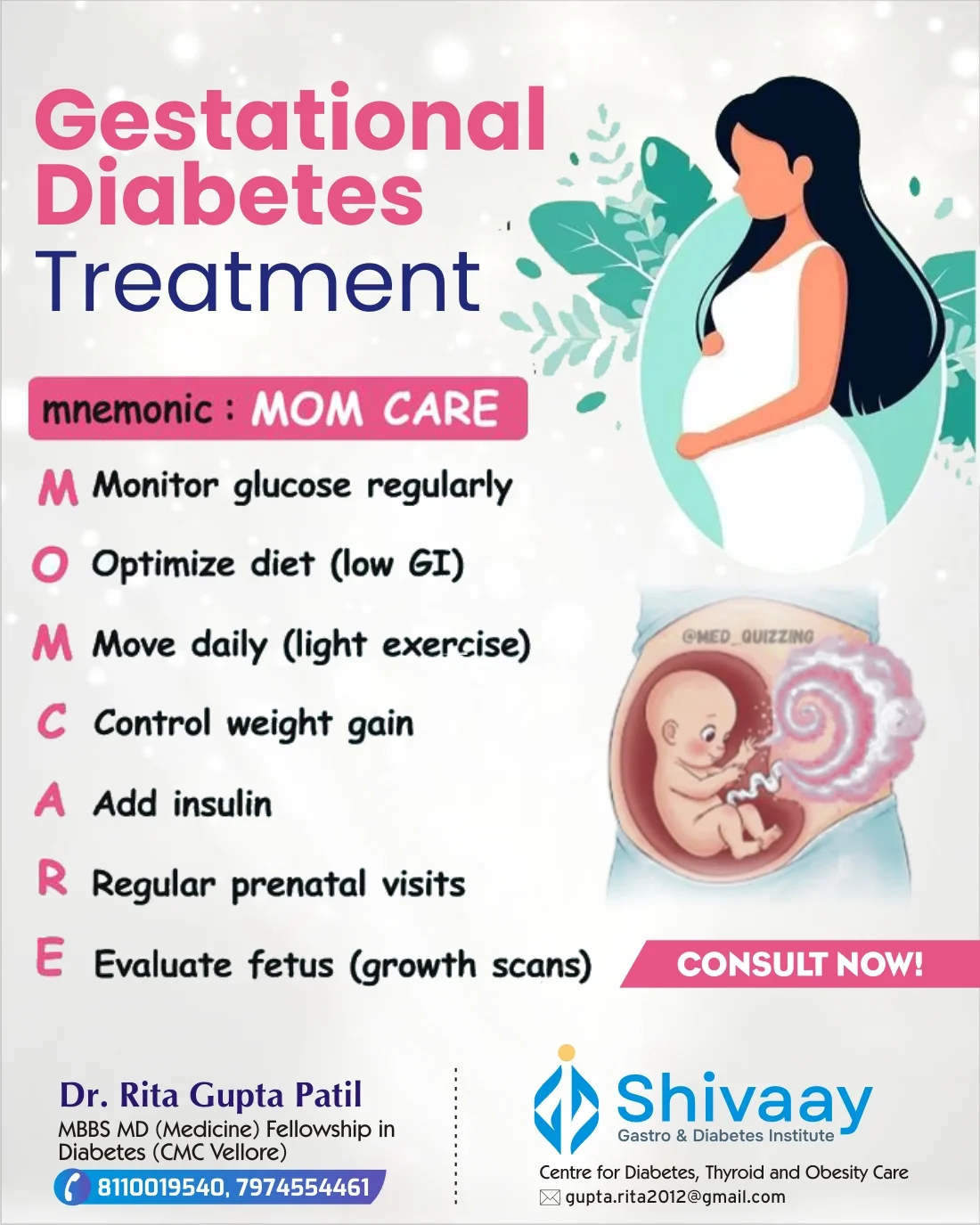
Gestational diabetes treatment in Indore generally combines an individual eating plan, blood sugar monitoring, suitable physical activity and medication when prescribed. Regular pregnancy reviews help the care team assess progress and adjust recommendations.
At Shivaay Gastro & Diabetes Institute, women can enquire about pregnancy-related diabetes consultations with Dr. Rita Gupta Patil. Knowing what to discuss during an appointment can make the next steps feel clearer and more manageable.
What Is Gestational Diabetes?
Gestational diabetes is high blood sugar that develops during pregnancy. Pregnancy hormones can make insulin less effective, and the body may struggle to produce the additional insulin it needs. When this happens, glucose builds up in the bloodstream.
The condition is not simply the result of eating sweets. A diagnosis should never become a reason for guilt or criticism. What matters is understanding your results and following a care plan suited to your pregnancy.
Diabetes diagnosed before pregnancy requires a different assessment. Share any earlier abnormal glucose reports with your clinician, even if you never received treatment.
Can Gestational Diabetes Develop Without Symptoms?
Yes. Many women feel well and discover the condition through routine pregnancy testing. The absence of unusual thirst, tiredness or frequent urination does not rule it out.
Screening commonly takes place between 24 and 28 weeks of pregnancy. Depending on your history and risk factors, your doctor may recommend an earlier assessment.
Follow the instructions provided for your specific test. Some glucose tests require fasting, while preparation for others differs. Avoid relying on a friend’s experience or changing your eating habits just before testing to influence the result.
Tell your doctor about:
How Is Gestational Diabetes Managed?
A useful treatment plan should answer everyday questions: what to eat, when to check glucose, how to take prescribed medicine and when to contact the care team.
1. Learn Your Blood Sugar Monitoring Routine
Blood sugar monitoring during pregnancy allows your clinician to see how your glucose responds to meals and treatment.
Ask for clear instructions about testing times, your individual targets and how to record results. If you are using a glucose meter for the first time, request a demonstration and practise the technique.
Keep a record of readings with meal times and medication details. Bring this information to appointments instead of summarising results as “usually fine.”
Before leaving the clinic, clarify:
2. Follow a Practical Eating Plan
A gestational diabetes diet plan should help manage glucose while meeting the nutritional needs of pregnancy. It should also reflect your appetite, food preferences and household routine.
Discuss familiar meals with your clinician or dietitian. For families in Indore, this might mean asking about portions of poha, roti, rice or dal rather than replacing the entire menu with unfamiliar foods.
Portion sizes, meal timing and the balance of carbohydrates, vegetables and protein all deserve attention. Reducing sweetened drinks can be useful, but avoiding sweets alone is not a complete treatment plan.
Do not skip meals or remove major food groups without professional guidance. Ask for practical alternatives if nausea, work hours or food aversions make the recommended routine difficult.
3. Choose Pregnancy-Appropriate Activity
Suitable movement can support blood sugar management during pregnancy. However, activity recommendations should reflect your pregnancy, comfort and obstetrician’s advice.
Walking may fit easily into some routines. Other women may need modified activity or restrictions because of pregnancy-related concerns.
Ask about the type, duration and intensity of movement appropriate for you. The objective is a manageable routine that follows medical guidance, not a demanding fitness target.
4. Understand the Role of Medication
Some women need medicine even when they follow their eating and activity recommendations carefully. This does not mean that they have failed to manage their condition.
Insulin treatment during pregnancy may be recommended when clinically appropriate. Your doctor will decide which treatment suits your glucose results and overall situation.
If insulin is prescribed, ask about injection technique, storage, dose timing and recognising low blood sugar. Make sure you understand what to do if you miss a meal or become unwell.
Never increase, reduce or stop prescribed medication independently.
5. Continue Antenatal Monitoring
Diabetes care should remain connected with your routine pregnancy care. Your obstetrician may recommend closer monitoring of the baby’s growth and review factors that could affect delivery planning.
Carry prescriptions, glucose records, laboratory reports and ultrasound findings in one organised folder. This helps each clinician work with the same information.
Before an appointment ends, confirm the next review date and any tests needed beforehand.
Why Does Timely Treatment Matter?
Persistently high blood sugar can increase the chance of complications, including a larger baby, difficulties during delivery and low blood sugar in the newborn. Gestational diabetes is also associated with a higher risk of pregnancy-related high blood pressure.
These possibilities do not mean that complications are inevitable. Many women with the condition have healthy pregnancies and babies. Appropriate treatment and follow-up help reduce risk.
Avoid comparing your readings or prescriptions with another person’s pregnancy. The most useful comparison is between your results and the targets set by your own care team.
Preparing for a Diabetes Consultation in Indore
When looking for gestational diabetes care in Indore, consider how you will manage follow-up appointments alongside antenatal visits, work and family responsibilities.
For a consultation in Vijay Nagar, Indore, confirm the venue, appointment time and documents required before travelling.
Bring:
Ask about consultation charges, recommended investigations and how to contact the clinic with concerns. A written plan can be particularly helpful when several instructions are introduced at once.
How Can Family Members Help?
Support is often most useful when it makes everyday tasks easier. A partner or family member can help organise appointments, prepare agreed meals or maintain the glucose record.
Avoid monitoring someone’s food choices with criticism. Instead, ask what practical assistance would help them follow their care plan.
If a relative accompanies you to appointments, invite them to take notes. This can reduce confusion when you return home and need to remember unfamiliar instructions.
Does Care Continue After Delivery?
Yes. Postpartum diabetes screening is important even when glucose levels improve after childbirth. Arrange the recommended test with your clinician, ideally before leaving maternity care, so it is not forgotten during the demands of newborn care.
A history of gestational diabetes increases the likelihood of developing type 2 diabetes later. Ongoing screening therefore remains important even when you feel healthy.
Discuss medication changes after delivery with your doctor. Keep your pregnancy and post-delivery reports, and mention the history when planning another pregnancy.
Frequently Asked Questions
Can gestational diabetes be managed without insulin?
Sometimes. An appropriate eating plan and physical activity may be sufficient for some women. Others need medication based on their glucose results and clinical assessment.
Should I stop eating rice and roti completely?
Not automatically. Discuss portions, meal combinations and your individual glucose response with a clinician or dietitian. Removing staple foods without a suitable replacement can make pregnancy nutrition harder to manage.
Does gestational diabetes always require a caesarean delivery?
No. Birth planning depends on the baby’s growth, glucose control and other pregnancy findings. Your obstetrician will discuss the appropriate delivery options.
Will diabetes definitely disappear after childbirth?
Glucose levels often improve, but follow-up testing is necessary to confirm your status. Do not assume the condition has resolved or stop prescribed treatment without advice.
Take the Next Step Towards Clearer Pregnancy Care
A diagnosis can bring uncertainty, but a clear plan helps you focus on the daily steps that matter. Ask questions, keep your records organised and stay connected with your pregnancy care team.
Contact Shivaay Gastro & Diabetes Institute to enquire about an appointment with Dr. Rita Gupta Patil and discuss your pregnancy-related blood sugar concerns.
Contact Us Today to Book Your Consultation.
| Tags: | #Gestational Diabetes Treatment in Indore |


