
Obesity Treatment in Indore: Evidence-Based Care for Sustainable Weight Management
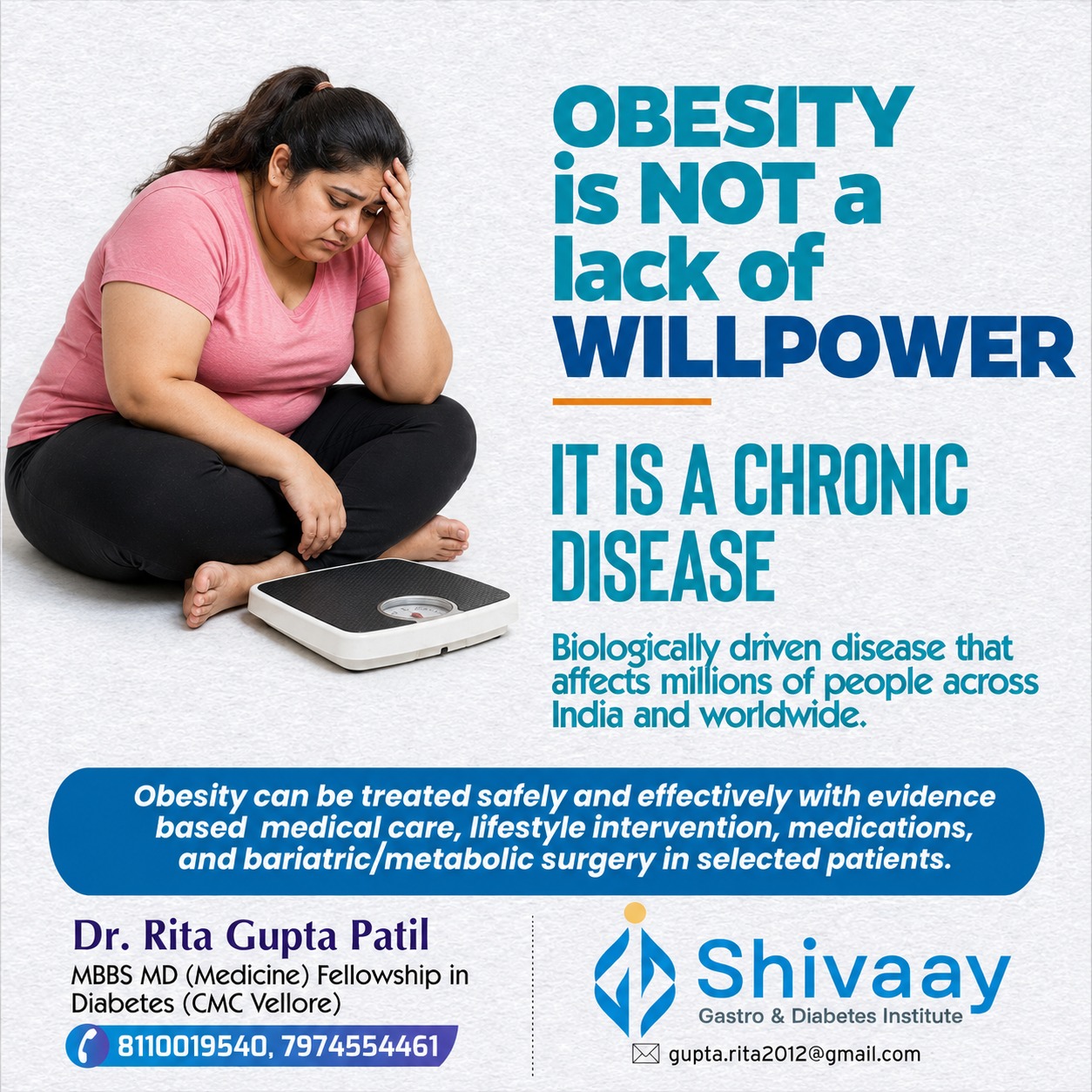
Obesity is often misunderstood as a problem caused only by overeating, inactivity, or weak willpower. In reality, it is a complex, chronic, and frequently relapsing health condition influenced by genetics, hormones, metabolism, sleep, stress, medicines, eating patterns, environment, and associated medical disorders. The World Health Organization recognises obesity as a chronic disease resulting from interactions between biological, behavioural, social, and environmental factors.
Seeking professional Obesity Treatment in Indore can help individuals understand why weight gain is occurring and which treatment approach may be appropriate for their health. Effective care is not based on crash diets, shame, or unrealistic promises. It involves a personalised plan that may include nutrition guidance, physical activity, behavioural changes, management of related conditions, weight-loss medicines when clinically suitable, and metabolic or bariatric surgery for selected patients.
At Shivaay Gastro & Diabetes Institute, Dr. Rita Gupta Patil provides medical evaluation and structured guidance for individuals seeking healthier, sustainable weight management.
What Is Obesity?
Obesity is a long-term medical condition involving excessive or abnormal body-fat accumulation that may affect health. Body mass index, commonly called BMI, is often used as an initial screening tool. It is calculated by dividing a person’s weight in kilograms by the square of their height in metres.
However, BMI alone does not provide a complete picture. A doctor may also consider:
A thorough assessment is important because two people with the same weight may have very different health risks and treatment needs.
Why Is Obesity Not Simply a Lack of Willpower?
Body weight is controlled by several interconnected systems. Appetite hormones, brain signals, metabolic rate, insulin sensitivity, sleep, stress, genetics, food availability, and certain medical conditions can all influence hunger, energy use, and fat storage.
Some people may regain weight after dieting because the body responds to weight loss by increasing hunger and reducing energy expenditure. This is one reason obesity may require long-term medical care rather than a temporary diet plan.
Compassionate Weight Management in Indore focuses on health improvement without blaming or judging the patient. The aim is to understand the underlying factors and build realistic strategies that can be continued safely.
What Causes Obesity?
Obesity usually develops because of several contributing factors rather than one single cause.
Genetic Predisposition
Genes may influence appetite, body-fat distribution, metabolic rate, food preferences, and how the body responds to changes in calorie intake.
Hormonal and Metabolic Factors
Insulin resistance, hypothyroidism, polycystic ovary syndrome, menopause-related changes, and other metabolic conditions may contribute to difficulty managing weight.
Eating Patterns
Frequent consumption of calorie-dense foods, sugary beverages, large portions, irregular meals, or emotionally driven eating may increase weight over time.
Limited Physical Activity
Sedentary work, prolonged screen time, joint pain, fatigue, lack of safe exercise spaces, or demanding schedules can reduce daily energy expenditure.
Inadequate Sleep
Poor-quality or insufficient sleep can affect appetite regulation, food choices, energy levels, and metabolic health.
Stress and Emotional Health
Long-term stress may change eating behaviour, sleep patterns, and hormone levels. Some individuals may use food as a response to anxiety, sadness, boredom, or emotional pressure.
Medicines
Certain steroids, psychiatric medicines, diabetes treatments, hormonal medicines, and other drugs may contribute to weight gain. Medicines should never be stopped without medical advice.
Environmental Influences
Easy access to highly processed foods, limited time for cooking, marketing, work routines, social habits, and urban lifestyles may all influence weight.
Health Conditions Associated with Obesity
Obesity does not affect everyone in the same way, but it may increase the likelihood of several medical problems. These include type 2 diabetes, high blood pressure, abnormal cholesterol, cardiovascular disease, fatty liver disease, sleep apnoea, joint problems, and certain cancers.
Other possible concerns include:
Timely Obesity Management in Indore may help reduce health risks and improve energy, movement, sleep, and overall quality of life.
When Should You Consult an Obesity or Weight-Loss Doctor?
Medical consultation may be helpful when:
Early evaluation allows health concerns to be identified before complications become more difficult to manage.
How Is Obesity Evaluated?
A structured consultation for Medical Weight Management in Indore generally begins with a detailed health history. The doctor may ask about previous weight-loss attempts, appetite, sleep, stress, meal timing, physical activity, family history, medicines, menstrual history, and existing illnesses.
The assessment may include:
Physical Measurements
Weight, height, BMI, waist circumference, pulse, and blood pressure may be recorded.
Laboratory Tests
Depending on the individual, tests may be advised to evaluate:
Complication Screening
The doctor may look for signs of diabetes, fatty liver, hypertension, sleep apnoea, osteoarthritis, or cardiovascular risk.
Lifestyle Assessment
Eating habits, work routine, sleep duration, activity levels, food triggers, and practical barriers are reviewed before planning treatment.
Treatment Options for Obesity
There is no single treatment suitable for everyone. The plan should reflect the person’s health, age, preferences, weight history, daily schedule, and associated conditions.
1. Personalised Nutrition Planning
A sustainable eating plan should provide adequate nutrition while supporting gradual calorie reduction. It may focus on:
Extreme fasting or highly restrictive diets may be difficult to maintain and should not replace professional advice.
2. Physical Activity
Exercise recommendations should be adapted to the patient’s fitness, mobility, heart health, and joint condition. Walking, cycling, swimming, strength training, yoga, or low-impact exercises may be considered.
For some people, beginning with shorter and more manageable sessions is safer than suddenly attempting intense workouts.
3. Behavioural Support
Behavioural strategies help identify patterns that lead to overeating or inactivity. Helpful approaches may include:
4. Treatment of Associated Conditions
Diabetes, thyroid disorders, fatty liver, high blood pressure, sleep apnoea, and hormonal concerns may need simultaneous management.
5. Prescription Weight-Loss Medicines
Medication may be considered for certain patients after evaluating BMI, health risks, previous efforts, contraindications, and possible side effects. Weight-loss medicines are not suitable for everyone and should be taken only under medical supervision.
They work best as part of a comprehensive programme rather than as a replacement for nutrition, activity, sleep, and behavioural care. Current clinical guidance treats medicines as one potential component of long-term obesity management.
6. Bariatric or Metabolic Surgery
Surgery may be considered for selected people with severe obesity or significant obesity-related health conditions when non-surgical measures have not provided sufficient improvement.
The decision requires careful evaluation, counselling, nutritional preparation, and long-term follow-up. Not every person with excess weight needs surgery.
What Is a Realistic Weight-Loss Goal?
A safe target is not determined only by appearance or a number on the weighing scale. Even modest weight reduction may improve certain health markers. The NIDDK notes that losing approximately 3% to 5% of body weight may provide specific metabolic benefits, including improvement in liver fat for some individuals.
Progress may also be reflected through:
The best goal is measurable, safe, medically relevant, and sustainable.
Avoiding Unsafe Weight-Loss Practices
Quick-fix products and extreme diets can create risks without addressing the underlying condition. Avoid:
Rapid reduction is not always healthy, and regained weight can be emotionally discouraging. Professional supervision helps maintain safety and nutritional adequacy.
Building Long-Term Success
Obesity care should prepare patients for real life, including festivals, travel, work pressure, family meals, illness, and periods of low motivation.
Long-term success is supported by:
Weight fluctuations can occur. A temporary setback does not mean the complete plan has failed.
Frequently Asked Questions
1. Can obesity be treated without surgery?
Yes. Many individuals are treated through personalised nutrition, physical activity, behavioural support, management of underlying diseases, and prescription medicines when appropriate. Surgery is reserved for selected cases after medical evaluation.
2. Is BMI enough to diagnose health risk?
BMI is a useful screening measurement, but it does not tell the complete story. Waist circumference, body-fat distribution, laboratory findings, medical conditions, and overall fitness are also important.
3. Do weight-loss medicines work permanently?
Medicines may support weight reduction in suitable patients, but results vary. Obesity is a chronic condition, so long-term lifestyle changes and medical follow-up remain important. Medication should be started, continued, changed, or stopped only under a doctor’s guidance.
4. Can obesity increase the risk of diabetes?
Yes. Excess body fat, particularly around the abdomen, may contribute to insulin resistance and increase the risk of type 2 diabetes. Obesity is also associated with other metabolic and cardiovascular health concerns.
Begin Your Journey with Obesity Treatment in Indore
Living with obesity can feel frustrating, especially after repeated diets or short-term plans. However, effective care is possible when treatment focuses on biology, lifestyle, associated diseases, personal circumstances, and achievable goals rather than blame.
Dr. Rita Gupta Patil offers medically guided obesity and metabolic-health consultation at Shivaay Gastro & Diabetes Institute. A personalised evaluation can help identify contributing factors and determine whether lifestyle intervention, medical treatment, or further specialist care is appropriate.
Contact Us Today to Schedule Your Consultation and Take a Confident Step Towards Better Weight and Metabolic Health.
| Tags: | #Obesity Treatment in Indore |


