
Thyroid in Indore: Understanding Symptoms, Tests and Treatment
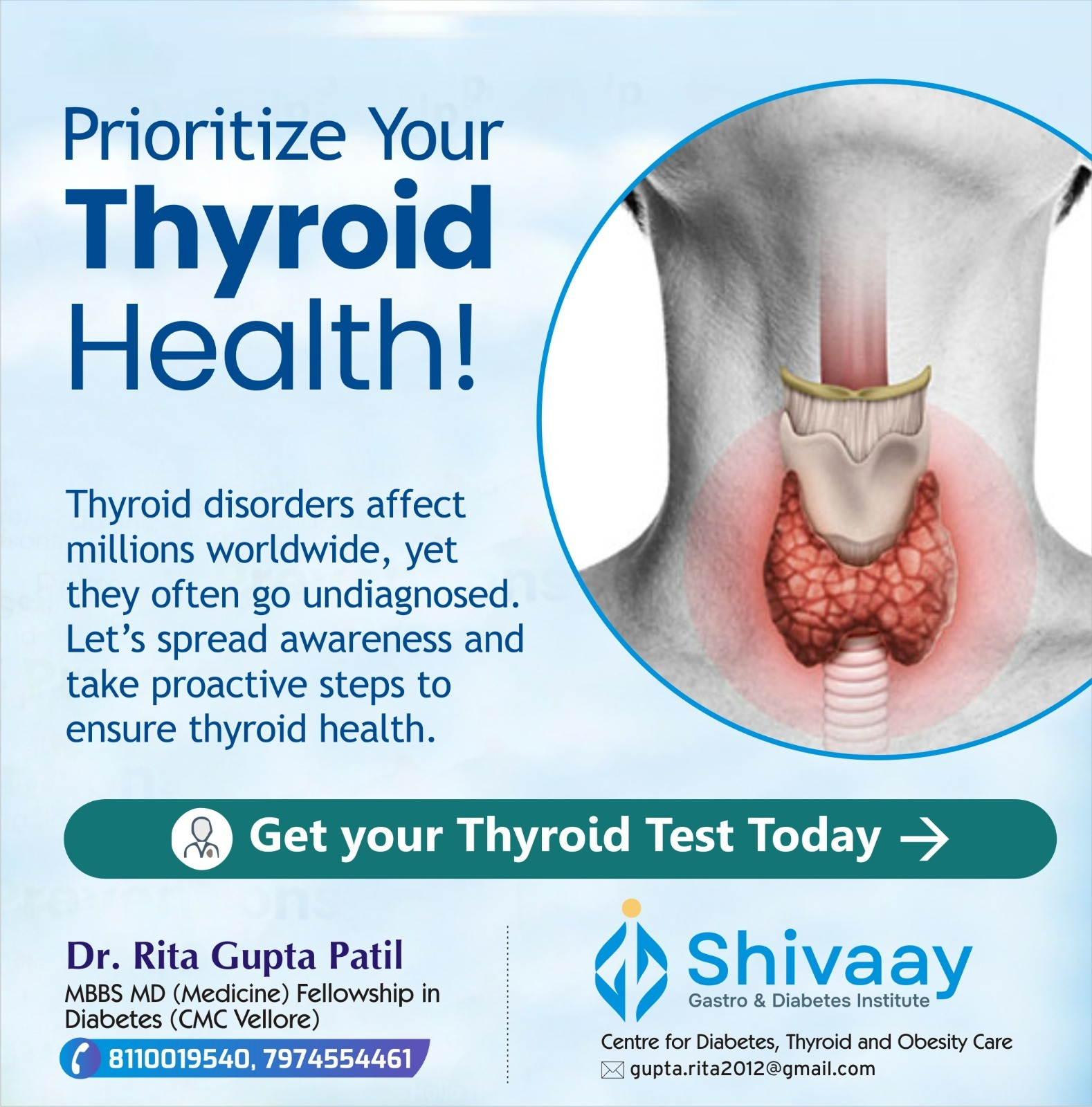
The thyroid is a small, butterfly-shaped gland located in the front of the neck, but its influence extends throughout the body. It produces hormones that help regulate metabolism, body temperature, energy levels, heart rate, digestion, mood, menstrual health and several other essential functions.
When thyroid hormone levels become too high or too low, people may experience changes in weight, sleep, concentration, heartbeat, skin, hair and overall wellbeing. Because many thyroid symptoms resemble everyday stress or other medical conditions, the problem may remain unnoticed without proper evaluation.
Consulting an experienced Thyroid in Indore can help patients understand their symptoms, undergo appropriate testing and receive a personalised treatment plan. Shivaay Gastro & Diabetes Institute offers medical consultation for individuals dealing with suspected or previously diagnosed thyroid disorders in Indore, Madhya Pradesh.
The thyroid gland mainly produces the hormones thyroxine, commonly called T4, and triiodothyronine, known as T3. These hormones affect how the body uses energy and how quickly or slowly various organs perform their functions.
The pituitary gland in the brain releases thyroid-stimulating hormone, or TSH, which signals the thyroid to produce hormones. When this system is balanced, the body generally maintains stable energy use and metabolism.
If the thyroid produces insufficient hormone, the condition is called hypothyroidism. If it produces excessive hormone, the condition is called hyperthyroidism.
Blood tests, particularly TSH and free T4, are commonly used to evaluate thyroid function. Symptoms alone are not sufficient for a reliable diagnosis because they may overlap with other health concerns.
Thyroid problems may develop gradually. A person might initially dismiss fatigue, weight fluctuation, mood changes or disturbed sleep as a result of work pressure, ageing or an irregular routine.
Another reason for delayed diagnosis is that symptoms can vary significantly from one person to another. Some people experience multiple noticeable changes, while others have only mild or unclear symptoms.
A consultation with an Endocrinologist in Indore may be advisable when symptoms persist, worsen or appear alongside abnormal thyroid test results.
Hypothyroidism occurs when the thyroid gland does not produce enough thyroid hormone. Because thyroid hormones support metabolism and energy use, many body processes may slow down.
Possible symptoms include:
Hypothyroidism can develop slowly, and its symptoms may take months or years to become clearly noticeable. A diagnosis generally requires medical assessment and blood testing rather than symptom-based assumptions.
Hyperthyroidism develops when the thyroid produces excessive thyroid hormone. This can accelerate several body functions.
Possible symptoms include:
Graves’ disease is a common autoimmune cause of hyperthyroidism, although other causes are also possible. The treatment approach depends on the cause, severity, age, general health and other clinical factors.
A thyroid nodule is a lump or growth within the thyroid gland. Many nodules do not cause symptoms and may be discovered during a physical examination, ultrasound or imaging performed for another reason.
Some individuals may notice:
Most thyroid nodules are not diagnosed by appearance alone. Depending on the clinical findings, the doctor may recommend blood tests, ultrasound or additional assessment.
Goitre refers to enlargement of the thyroid gland. It may occur with normal, reduced or excessive thyroid hormone production.
A person may notice swelling in the lower front part of the neck. The cause should be evaluated because thyroid enlargement may be related to iodine imbalance, autoimmune disease, nodules or other thyroid conditions.
In autoimmune thyroid disorders, the immune system mistakenly affects thyroid tissue.
Hashimoto’s disease is commonly associated with hypothyroidism, while Graves’ disease is a frequent cause of hyperthyroidism. Thyroid antibody testing may be used in selected cases to help identify an autoimmune cause.
Consider seeking medical advice when you experience persistent symptoms such as unexplained weight changes, prolonged fatigue, rapid heartbeat, neck swelling, unusual sensitivity to heat or cold, menstrual changes or ongoing hair loss.
Consultation may also be useful when:
Severe symptoms, breathing difficulty, chest pain, fainting or marked confusion require urgent medical attention rather than a routine appointment.
A thyroid doctor in Indore may begin with a detailed discussion about symptoms, previous reports, family history, current medicines and lifestyle.
The doctor may ask about:
The neck may be examined for enlargement, tenderness or nodules. The doctor may also assess pulse rate, blood pressure, reflexes, skin changes, tremors, swelling and eye findings when relevant.
Common blood tests may include:
TSH Test
TSH is often used as the initial blood test for thyroid function. An abnormal result may lead to additional testing.
Free T4 Test
Free T4 can provide further information about circulating thyroid hormone and is often interpreted alongside TSH.
T3 Test
T3 measurement may be helpful in selected cases, particularly when hyperthyroidism is suspected despite certain other results. It is generally less useful as an initial test for hypothyroidism.
Thyroid Antibody Tests
Antibody tests may assist in identifying autoimmune thyroid conditions such as Hashimoto’s disease or Graves’ disease.
Ultrasound can help assess thyroid size, structure and nodules. It does not replace hormone blood tests because it provides anatomical rather than hormonal information.
Depending on the findings, further investigations may be recommended. These should be selected according to individual clinical needs rather than performed routinely for every patient.
The right treatment depends on whether the thyroid is underactive, overactive, enlarged or affected by nodules.
Hypothyroidism is commonly managed with thyroid hormone replacement medicine. The dosage is selected according to laboratory results, age, body requirements, pregnancy status and associated medical conditions.
Follow-up testing is important because an unsuitable dose may leave symptoms uncontrolled or cause excessive hormone levels. Patients should not increase, reduce or stop their medicine without medical advice.
Treatment options may include medicines that reduce thyroid hormone production, symptom-control medication, radioactive iodine therapy or surgery. The appropriate option varies according to the cause and individual health factors.
Some nodules only require periodic observation, while others may need further investigation. Decisions are generally based on size, ultrasound appearance, growth, symptoms and clinical risk.
Lifestyle measures do not replace prescribed thyroid treatment, but they can support general wellbeing.
Helpful habits may include:
Patients should avoid self-prescribing iodine or herbal products because excessive or insufficient iodine may affect thyroid function in some situations.
Patients using thyroid hormone replacement should follow the instructions given by their doctor. Consistent timing and correct administration can influence absorption and test results.
General points may include:
Medicine requirements may change during pregnancy, significant weight changes, ageing or the introduction of certain medicines. Pregnant patients taking thyroid hormone should contact their treating doctor promptly because dosage requirements may need review.
Thyroid care is not limited to receiving one test and one prescription. Hormone levels can change over time, and the medicine dose that was previously suitable may require adjustment.
Regular monitoring can help:
Shivaay Gastro & Diabetes Institute provides consultation for patients seeking evaluation and ongoing management of thyroid-related concerns in Indore MP.
When selecting a doctor, look beyond promotional terms and consider whether the consultation includes careful history-taking, examination, test interpretation and follow-up planning.
A dependable thyroid treatment doctor in Indore should:
Patients should also carry previous prescriptions, thyroid reports, ultrasound findings and a complete list of medicines to the appointment.
No. Symptoms may suggest a thyroid problem, but many overlap with anaemia, stress, nutritional deficiencies, sleep disorders and other conditions. Blood tests and medical evaluation are usually necessary.
No. Hypothyroidism may contribute to weight change, but weight gain can have many causes. A thyroid test should be interpreted along with symptoms, examination and overall health.
It depends on the cause. Some patients require long-term treatment, while certain temporary thyroid conditions may improve. The medicine should never be stopped without a doctor’s advice.
A TSH blood test is commonly used as an initial assessment, often followed by free T4 or other tests when indicated.
Unexplained tiredness, weight changes, neck swelling, menstrual irregularity, hair loss or heartbeat changes should not be ignored when they continue for a long period. Timely medical evaluation can identify whether the symptoms are related to the thyroid or another underlying concern.
For professional consultation with a Thyroid in Indore, schedule an appointment, bring your previous reports and discuss your symptoms clearly.
Contact Us today to book your thyroid consultation and take a more informed step towards better hormonal and metabolic health.
| Tags: | #Thyroid in Indore |


