
Thyroid Treatment in Indore for Accurate Diagnosis and Long-Term Care
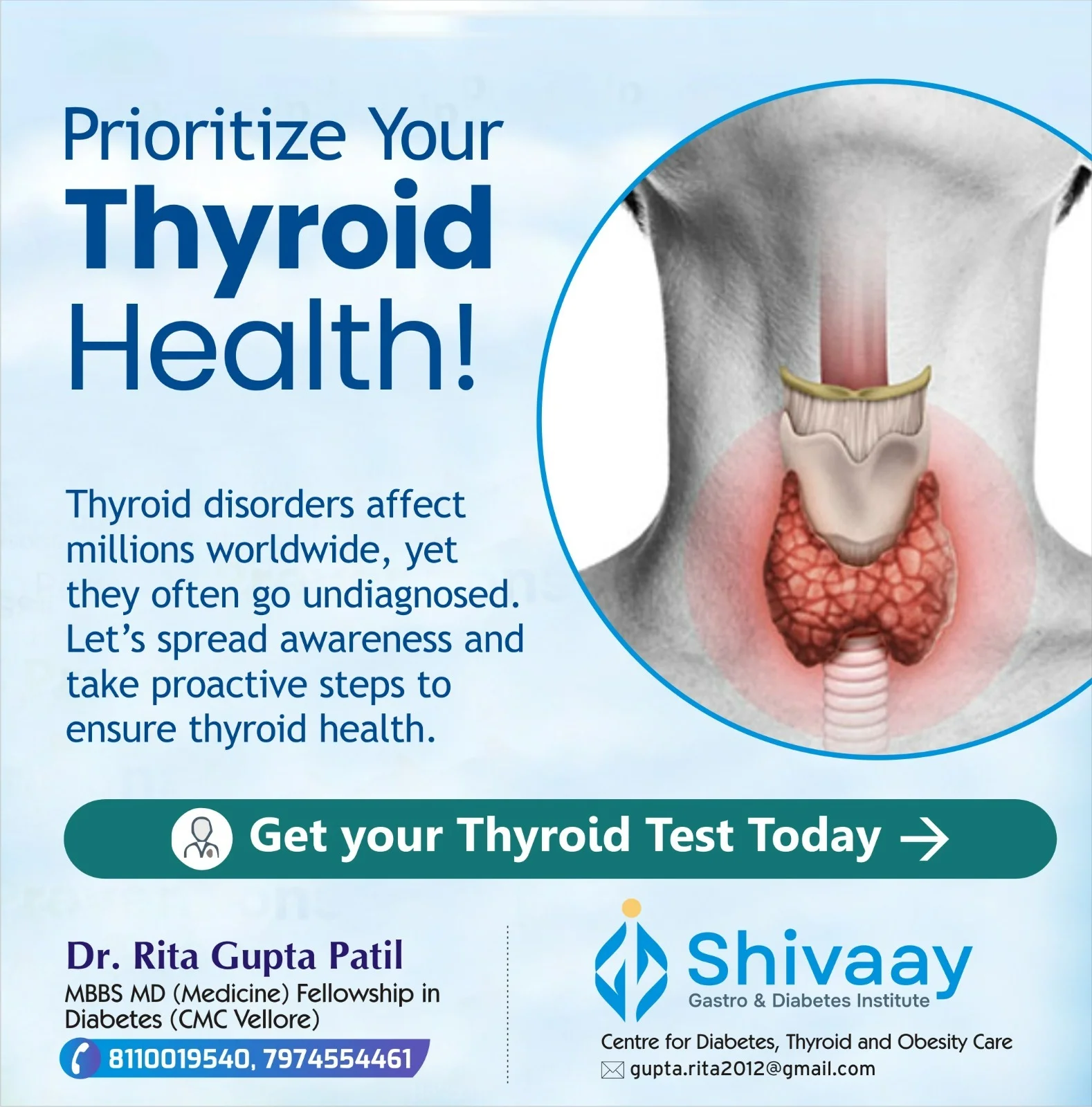
The thyroid is a small, butterfly-shaped gland situated at the front of the neck, but its influence extends throughout the body. It produces hormones that help regulate metabolism, energy use, body temperature, heart rate, digestion, and several other essential functions. When thyroid hormone levels become too low or too high, a person may experience physical and emotional changes that affect everyday life.
Symptoms such as persistent tiredness, unexplained weight changes, irregular periods, excessive sweating, palpitations, constipation, anxiety, dry skin, or neck swelling should not be ignored. However, these concerns are not always caused by a thyroid disorder. Proper clinical assessment and blood testing are necessary before reaching a diagnosis.
People looking for the best thyroid treatment in Indore should choose a qualified physician who provides evidence-based evaluation, personalised treatment planning, and regular monitoring. At Shivaay Gastro & Diabetes Institute, patients can consult Dr. Rita Gupta Patil for thyroid assessment and ongoing medical care.
What Is a Thyroid Disorder?
A thyroid disorder develops when the gland produces an inappropriate amount of thyroid hormone or undergoes structural changes such as enlargement or nodule formation. The two most frequently discussed functional conditions are hypothyroidism and hyperthyroidism.
Hypothyroidism
Hypothyroidism occurs when the thyroid gland does not produce enough thyroid hormone. As the body’s processes slow down, symptoms may develop gradually and can sometimes be mistaken for stress, ageing, or lifestyle-related tiredness.
Common concerns may include:
Hashimoto’s disease is a common autoimmune cause of hypothyroidism. Thyroid surgery, certain medicines, radiation treatment, and other medical conditions may also influence thyroid function. Thyroid antibody testing can help identify autoimmune causes in appropriate cases.
Hyperthyroidism
Hyperthyroidism develops when the gland produces excessive thyroid hormones, causing many body functions to speed up.
Possible symptoms include:
Graves’ disease is a common autoimmune cause of hyperthyroidism. Other possible causes include thyroid nodules and thyroid inflammation. Treatment depends on the cause, severity, age, overall health, and other individual considerations.
When Should You Consult a Thyroid Doctor?
Thyroid symptoms can be subtle and may overlap with anaemia, nutritional deficiencies, diabetes, hormonal changes, sleep disorders, stress, or heart-related conditions. That is why self-diagnosis based only on symptoms is unreliable.
You should consider consulting a thyroid specialist in Indore when you experience:
Urgent medical attention may be required for severe palpitations, chest discomfort, breathing difficulty, confusion, fainting, or rapidly worsening symptoms.
How Is a Thyroid Disorder Diagnosed?
Diagnosis begins with a detailed discussion of symptoms, medical history, medicines, family history, pregnancy status, and previous laboratory reports. The physician may also examine the neck, pulse, skin, reflexes, weight, and other clinical signs.
TSH Test
The thyroid-stimulating hormone test is commonly used as an initial assessment of thyroid function. TSH is produced by the pituitary gland and signals the thyroid to produce hormones.
A high or low TSH result must be interpreted with other test findings, symptoms, laboratory reference ranges, and the person’s clinical condition. The American Thyroid Association describes TSH as the best initial test for evaluating thyroid function in many situations.
Free T4 and T3 Tests
Free T4 is commonly assessed alongside TSH to understand thyroid activity more clearly. T3 testing may be particularly useful when hyperthyroidism is suspected despite a normal T4 result.
Thyroid Antibody Tests
Antibody tests may be advised when an autoimmune disorder such as Hashimoto’s disease or Graves’ disease is suspected.
Thyroid Ultrasound
An ultrasound may be recommended when there is neck swelling, thyroid enlargement, a palpable lump, or concern about a thyroid nodule. It provides information about the gland’s size, structure, and any visible nodules.
Additional Investigations
Depending on the findings, the physician may recommend specialised imaging, a thyroid uptake study, or fine-needle aspiration for selected nodules. Not every patient requires every test.
Personalised Thyroid Treatment in Indore
There is no single treatment plan that is appropriate for all thyroid patients. Management depends on whether thyroid activity is low or high, the underlying cause, age, pregnancy status, symptom severity, associated medical conditions, and laboratory results.
Treatment for Hypothyroidism
Hypothyroidism is commonly managed with prescribed thyroid hormone replacement. The dose is individualised and may require adjustment according to TSH results, symptoms, age, weight, pregnancy, and other health factors.
Patients should not change the medicine dosage or stop treatment without medical advice. Follow-up testing helps the doctor assess whether hormone levels are within the intended range.
Treatment for Hyperthyroidism
Depending on its cause and severity, hyperthyroidism may be managed using:
Each approach has specific benefits, limitations, and monitoring requirements. The treatment decision should be made after a complete clinical evaluation.
Management of Thyroid Nodules
Many thyroid nodules do not cause symptoms and may be discovered during an examination or imaging performed for another reason. Evaluation may include TSH testing, ultrasound assessment, and further testing when clinically required.
A thyroid nodule should not automatically be assumed to be cancerous. Its size, ultrasound characteristics, growth pattern, symptoms, and test results guide further management.
Why Regular Thyroid Monitoring Matters
Thyroid management often requires follow-up rather than a one-time prescription. Hormone requirements may change because of body-weight variation, pregnancy, ageing, new medication, missed doses, absorption issues, or progression of the underlying condition.
Regular monitoring can help:
Patients seeking thyroid care in Indore should carry previous prescriptions and test reports to appointments so that changes can be assessed accurately.
Thyroid Health During Pregnancy
Thyroid hormones play an important role during pregnancy, making timely assessment especially important for women with an existing thyroid condition or abnormal reports.
Pregnant women should not start, stop, or alter thyroid medicine without consulting their doctor. Treatment and testing intervals may need adjustment during pregnancy and after delivery.
Women planning pregnancy may also benefit from discussing thyroid control in advance, particularly when they have a previous diagnosis, family history, menstrual irregularities, or fertility concerns.
Lifestyle Support for Better Thyroid Management
Lifestyle measures cannot replace prescribed thyroid treatment, but they can support overall health and help patients manage associated concerns.
Helpful habits include:
Some supplements can interfere with thyroid blood-test results. For example, high-dose biotin may affect measurements of TSH, free T4, and T3. Patients should tell their doctor and laboratory about supplement use before testing.
Common Mistakes to Avoid During Thyroid Treatment
Effective care requires consistent habits and informed decisions. Patients should avoid:
Thyroid treatment should always be tailored to the individual rather than copied from another person’s plan.
Choosing a Thyroid in Indore
When selecting a physician for thyroid disorder treatment in Indore, consider the quality of evaluation rather than relying only on promotional claims.
A patient-focused consultation should include:
Dr. Rita Gupta Patil provides consultation for thyroid disorders along with diabetes and metabolic-health concerns at Shivaay Gastro & Diabetes Institute.
Frequently Asked Questions
1. Which test is usually done first for thyroid evaluation?
TSH is commonly used as the initial thyroid-function test. Free T4, T3, thyroid antibodies, or imaging may be added according to the result and clinical findings.
2. Can thyroid problems cause weight changes?
Yes, both low and high thyroid activity can influence weight. However, weight changes have many possible causes, so testing and medical evaluation are necessary.
3. Does every thyroid patient need lifelong medicine?
Not necessarily. The duration of treatment depends on the type and cause of the disorder. Some conditions require long-term therapy, while temporary thyroid inflammation may be managed differently.
4. How often should thyroid tests be repeated?
The interval depends on the diagnosis, medicine changes, pregnancy status, symptoms, and previous results. Your doctor will recommend an appropriate testing schedule.
Book a Thyroid Consultation in Indore
Persistent tiredness, unexplained weight changes, palpitations, menstrual irregularities, neck swelling, or abnormal thyroid reports deserve proper medical attention. Early evaluation can identify the underlying problem and support an appropriate, personalised treatment plan.
For professional thyroid treatment in Indore, schedule a consultation with Dr. Rita Gupta Patil. Contact Us today to book your thyroid assessment and take a well-informed step towards better hormonal and metabolic health.
| Tags: | #Thyroid Treatment in Indore |


