
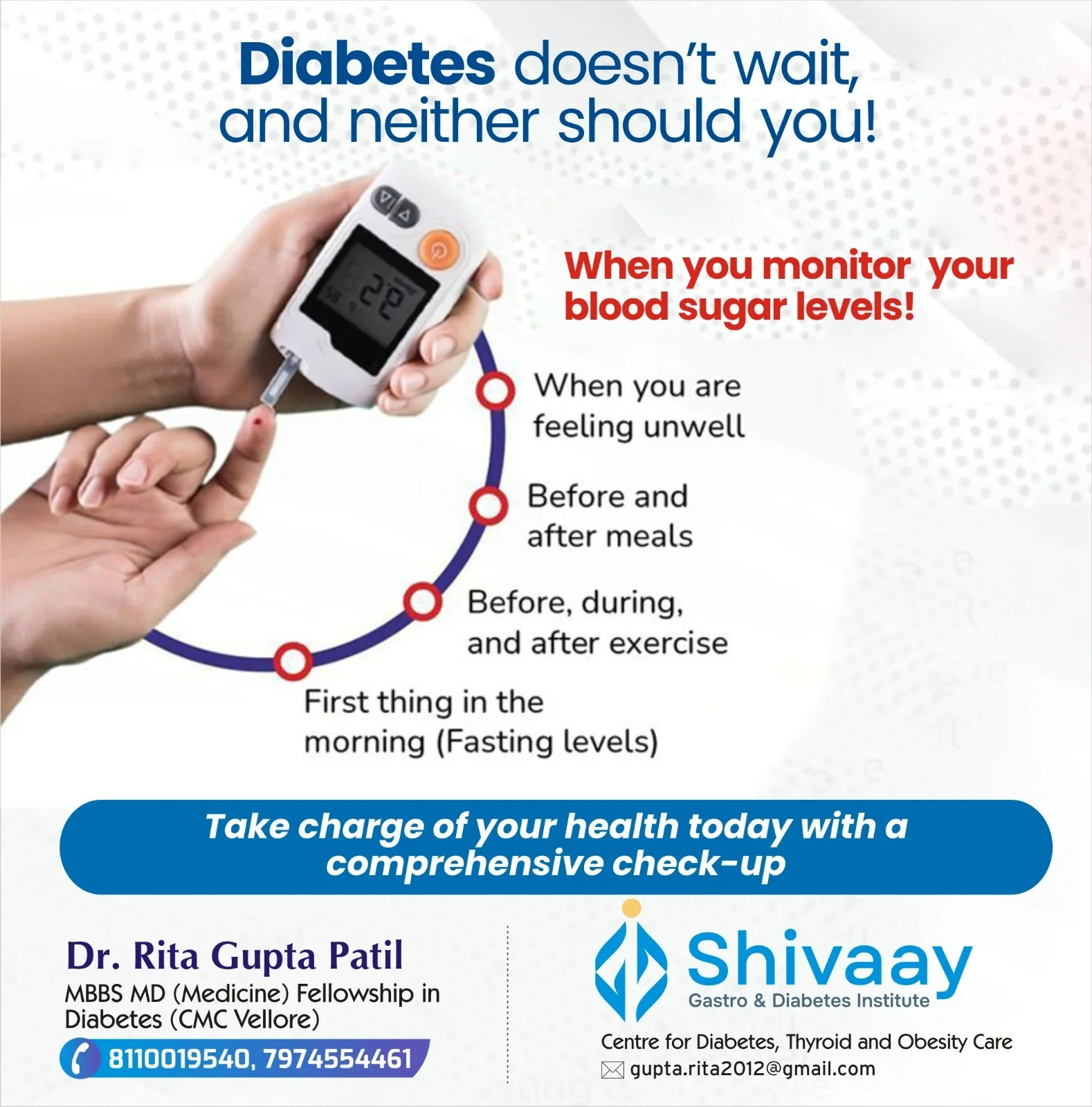
Diabetes is a long-term metabolic condition that requires consistent attention rather than occasional treatment. Blood glucose levels can change because of food, physical activity, medicines, illness, stress, sleep patterns, and several other factors. Regular monitoring can therefore provide valuable information about how well diabetes is being managed and when medical guidance may be required.
People searching for a Diabetes Specialist in Indore often want more than a single blood sugar test. They may need a structured plan involving glucose monitoring, medication review, dietary guidance, lifestyle improvement, and regular evaluation of diabetes-related risks.
At Shivaay Gastro & Diabetes Institute, patients can seek professional guidance for diabetes management and related metabolic concerns. Understanding when to check blood sugar, what the readings may indicate, and how those readings fit into an overall treatment plan can help people take a more informed approach to their health.
What Is Blood Sugar Monitoring?
Blood sugar monitoring means measuring the amount of glucose circulating in the blood at a particular time. Depending on the individual treatment plan, glucose may be checked using a glucometer, laboratory testing, or a continuous glucose monitoring device.
For people living with diabetes, monitoring can help answer practical questions such as:
The purpose of monitoring is not simply to collect numbers. The readings become useful when they are interpreted in the context of medicines, meals, activity, symptoms, and medical history.
When Should You Check Your Blood Sugar?
The ideal testing schedule is different for every person. It can depend on the type of diabetes, medicines being used, insulin treatment, age, pregnancy status, overall health, and the risk of hypoglycaemia.
A doctor may recommend checking glucose at particular times to understand specific patterns.
1. First Thing in the Morning
A fasting blood sugar test is generally performed after an overnight period without food.
Morning readings can provide information about glucose regulation during sleep and may help the doctor assess whether overnight or early-morning changes require attention.
If fasting sugar repeatedly remains outside the target recommended for you, consultation with a Diabetes Doctor in Indore can help determine whether food habits, medicines, physical activity, or other factors need review.
2. Before Meals
Pre-meal glucose readings provide a baseline before eating.
They can be particularly useful for people taking insulin or medicines that require adjustment according to glucose levels. These readings may also help identify whether blood sugar remains elevated for several hours between meals.
3. After Meals
Post-meal glucose monitoring helps show how the body responds to food.
Meals rich in refined carbohydrates or large portions can cause higher glucose rises in some individuals. Tracking these readings alongside meal patterns may help patients and doctors identify useful dietary changes.
The exact timing of a post-meal test should follow the advice given by the treating doctor.
4. Before, During or After Exercise
Physical activity generally affects blood glucose, but the effect can vary.
For some people, exercise lowers glucose considerably. Others may notice temporary increases depending on exercise intensity, medication timing, food intake, and their overall metabolic condition.
People using insulin or medicines associated with low blood glucose may sometimes need additional monitoring around exercise.
5. When You Feel Unwell
Illness can affect glucose even when food intake has not changed.
Fever, infection, dehydration, vomiting, and physical stress may cause blood sugar to rise. Conversely, reduced food intake combined with certain diabetes medicines may increase the risk of low glucose.
If blood sugar changes significantly during illness, medical advice should be sought rather than repeatedly changing medication without supervision.
Why Is Regular Diabetes Monitoring Important?
Diabetes can remain relatively symptom-free even when glucose levels are above the desired range. This is one reason regular testing and periodic medical evaluation are important.
Consistently elevated blood sugar can gradually affect different organs and systems.
Long-term diabetes management therefore focuses on reducing risks involving:
Seeking timely Diabetes Treatment in Indore can help patients understand these risks and establish a follow-up plan based on their individual condition.
What Do Fasting, Post-Meal and HbA1c Tests Tell You?
Different diabetes tests provide different types of information.
Fasting Blood Sugar
This measures blood glucose after fasting and helps assess glucose regulation when food is not actively influencing the reading.
Post-Meal Blood Sugar
This shows how glucose changes after eating and can help identify excessive rises following meals.
HbA1c
HbA1c provides an estimate of average blood glucose exposure over approximately the previous two to three months.
Unlike a single glucometer reading, it provides a broader picture of long-term glucose control.
A Diabetologist in Indore may consider HbA1c together with fasting glucose, post-meal readings, medicines, age, existing medical conditions, and risk of hypoglycaemia while planning treatment.
Blood Sugar Numbers Should Not Be Interpreted in Isolation
One of the most common mistakes in diabetes management is focusing on a single reading.
A higher-than-expected value on one occasion does not always mean treatment has failed. Similarly, a normal reading at one moment does not confirm that glucose remains controlled throughout the day.
Factors that can influence glucose include:
Recording the surrounding circumstances can make glucose readings more useful during medical consultations.
Signs That Your Diabetes May Need Review
People with diabetes should not rely solely on symptoms because glucose abnormalities can occur without obvious warning signs.
However, medical evaluation may be particularly important if you experience:
If such problems occur, consultation with a Diabetes Specialist in Indore can help identify whether diabetes control, medicines, or related health factors require reassessment.
Diabetes Management Is More Than Taking Medicine
Medication is important for many people with diabetes, but effective management usually involves several components.
Balanced Nutrition
Food choices influence glucose throughout the day. Rather than following extreme diets, many patients benefit from a balanced meal plan that considers carbohydrates, protein, fibre, portion sizes, and meal timing.
Regular Physical Activity
Appropriate exercise can support blood glucose control, cardiovascular health, weight management, and overall fitness.
Exercise recommendations should be individualized, particularly for people with heart disease, neuropathy, foot problems, severe obesity, or other medical conditions.
Healthy Body Weight
For people who are overweight, even modest weight reduction may improve metabolic health.
A structured plan supervised by a healthcare professional can be more sustainable than restrictive or rapidly changing diets.
Medication Adherence
Diabetes medicines should be taken according to medical instructions.
Skipping doses, doubling doses after a high reading, or stopping treatment when glucose appears normal can create unnecessary fluctuations.
Regular Follow-Up
Diabetes requirements can change over time. Periodic consultations allow doctors to review glucose trends, blood pressure, cholesterol, kidney health, weight, medicines, and other important parameters.
Why Professional Diabetes Care Matters
Internet advice and home glucose devices are useful educational and monitoring tools, but they cannot replace individualized medical assessment.
A qualified Diabetes Doctor in Indore can evaluate multiple factors together, including:
This broader assessment helps create a treatment approach based on the individual rather than relying on general recommendations alone.
Who Should Consider a Diabetes Check-Up?
A diabetes evaluation may be useful not only for people already diagnosed with diabetes but also for those who have risk factors.
Testing may be particularly relevant for individuals with:
People at increased risk should discuss an appropriate screening schedule with their doctor.
Comprehensive Diabetes Care in Indore
Patients looking for Diabetes Care in Indore increasingly prefer a comprehensive approach rather than focusing only on individual glucose readings.
An effective diabetes consultation may include review of blood sugar patterns, HbA1c, weight, diet, activity, medicines, risk factors, and possible complications.
Dr. Rita Gupta Patil provides diabetes-focused medical consultation for patients requiring guidance on glucose control and long-term metabolic health. At Shivaay Gastro & Diabetes Institute, patients can seek evaluation for diabetes as well as related concerns involving thyroid function and obesity.
Frequently Asked Questions
1. How many times should a person with diabetes check blood sugar?
There is no universal testing frequency. Some people may need occasional checks, while those using insulin or experiencing unstable glucose may require more frequent monitoring. Follow the testing schedule recommended by your doctor.
2. Is fasting blood sugar alone enough to monitor diabetes?
Usually not. Depending on the individual case, doctors may also consider post-meal readings, HbA1c, symptoms, medication response, and other health parameters.
3. Should I change my medicine if my glucose reading is high?
Do not routinely change diabetes medication based on one reading unless your doctor has already provided specific adjustment instructions. Repeated high readings should be discussed with a healthcare professional.
4. Can exercise help control diabetes?
Regular physical activity can play an important role in diabetes management, but the type and intensity should suit your age, treatment, fitness, and existing medical conditions.
Take Charge of Your Diabetes Health Today
Diabetes management works best when blood sugar monitoring is combined with informed medical care, balanced nutrition, physical activity, appropriate medicines, and regular health assessments. Waiting until symptoms become severe can allow problems to progress unnoticed.
If you are searching for a trusted Diabetologist in Indore, Blood Sugar Monitoring in Indore, or comprehensive Diabetes Treatment in Indore, consider scheduling a professional evaluation to better understand your current glucose control and long-term health needs.
Contact Us Today
Take a proactive approach to your health. Book a comprehensive diabetes check-up with an experienced medical professional and receive individualized guidance for blood sugar monitoring, lifestyle management, and ongoing diabetes care.
| Tags: | #Diabetes Specialist in Indore |


